You Won’t Believe What I Found in Nicosia’s Hidden Corners
Nicosia isn’t just a capital city—it’s a living maze of culture, history, and unexpected modern flair. I went looking for its commercial heart and stumbled upon something far more exciting: bustling markets, quiet courtyards with boutique shops, and streets where tradition meets trend. What makes these spaces thrive? How do locals shop, meet, and live here? This is more than tourism—it’s real discovery. With stone alleys whispering centuries of trade and new cafes buzzing with creative energy, Nicosia reveals itself slowly, rewarding those who wander beyond the guidebooks. Here, commerce is not just about buying and selling—it’s about connection, continuity, and community.
First Impressions: Walking into a Divided City’s Pulse
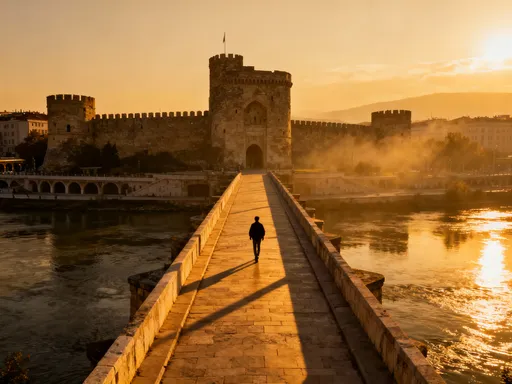
Arriving in Nicosia, one is immediately struck by its layered identity. Ancient Venetian walls encircle the old city, their sandstone ramparts glowing amber in the morning light. Just beyond them, glass-fronted shops and modern cafés line newly paved sidewalks. This contrast isn’t accidental—it’s central to the city’s rhythm. As the last divided capital in Europe, Nicosia carries a unique duality. The Green Line, a United Nations buffer zone, cuts through its core, separating the southern, Greek Cypriot-controlled area from the northern, Turkish Cypriot-administered region. Yet, despite this political division, life pulses continuously on both sides, shaped by decades of separation but not defined by it.
The division has subtly reshaped the city’s commercial geography. In the south, business districts like Makariou Avenue and Stasikratous Street have evolved with EU integration, featuring banks, boutiques, and international brands. In the north, particularly around Atatürk Avenue and Arasta, local craftsmanship and family-run shops dominate. Yet, foot traffic flows increasingly across checkpoints, especially along Ledra Street, where reunification efforts have fostered cautious but meaningful economic exchange. This cross-line movement isn’t just symbolic—it’s practical, with residents from both sides shopping, dining, and working in shared urban spaces.
What emerges is a commercial ecosystem shaped by resilience. The city’s split has not stifled commerce but redirected it, encouraging localized economies that value personal relationships and neighborhood loyalty. Shopkeepers recognize their customers by name; deliveries are made by scooter rather than algorithm. This human scale is not a relic of the past but a deliberate adaptation to a complex urban reality. Nicosia’s economy thrives not in spite of its division, but because of the ingenuity it has inspired among its residents.
Ledra Street: More Than Just a Shopping Strip
Ledra Street is Nicosia’s most visible artery, a pedestrian thoroughfare that cuts through the heart of the old city and crosses the Green Line. Once a symbol of separation, it is now a bridge—both literal and metaphorical—connecting communities. By day, the street hums with foot traffic: tourists pause at souvenir kiosks, students sip frappés at outdoor tables, and elderly couples stroll arm in arm beneath shaded awnings. At night, the glow of café signs and the sound of live music spill onto the cobblestones, transforming the avenue into a social stage.
What makes Ledra Street special is not just its accessibility, but its mix. International brands like H&M and Zara stand shoulder to shoulder with local vendors selling handmade jewelry, Cypriot ceramics, and embroidered textiles. Street performers—musicians, caricature artists, even occasional dancers—add to the lively atmosphere, creating a sensory experience that feels spontaneous rather than staged. Unlike sterile shopping malls, Ledra Street retains the unpredictability of urban life, where chance encounters and unplanned discoveries are part of the appeal.
But Ledra Street is more than a retail corridor—it’s a social hub. For many Cypriots, crossing the Green Line here is not just a political act, but a routine part of daily life. People from the north come south to access certain services, while those from the south visit northern bakeries or tailor shops renowned for their quality. This quiet integration happens organically, one purchase, one conversation at a time. The street’s success lies in its ability to serve both tourists and locals, balancing commercial viability with cultural authenticity.
The Heartbeat of Local Trade: Markets Like Kyrenia Market
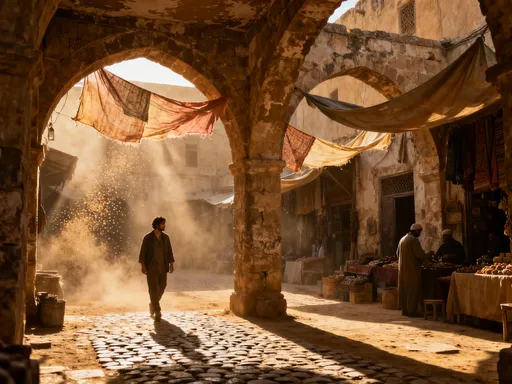
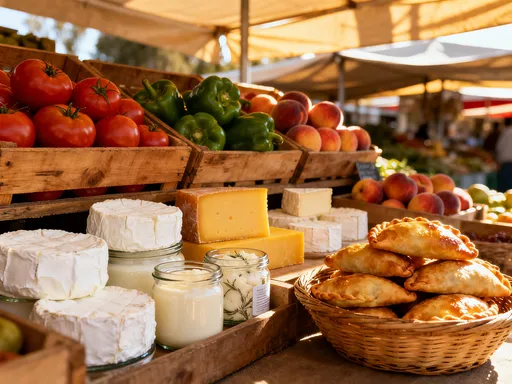
If Ledra Street represents Nicosia’s public face, the covered markets reveal its soul. The Kyrenia Market, officially known as the Nicosia Municipal Market, is a bustling indoor bazaar housed in a 1936 art deco building. Inside, narrow aisles are lined with stalls overflowing with fresh produce, aromatic herbs, and regional specialties. The air is thick with the scent of cumin, oregano, and grilled halloumi cheese. Vendors call out prices in a mix of Greek and English, their voices rising above the clatter of baskets and the rustle of paper bags.
This is where Cypriot culinary tradition comes alive. Sun-dried tomatoes glisten in wooden crates, olives are sorted by brine and origin, and honey is sold by the jar, often still clinging to the comb. Butchers display marinated souvlaki and cured loukaniko sausage, while fishmongers proudly present the day’s catch—glossy sea bream and silvery sardines laid on beds of ice. Nearby, elderly women haggle gently over the price of fresh mint, while young parents buy goat cheese for their children’s sandwiches.
What sets this market apart is its role as a living archive of Cypriot food culture. While supermarkets have grown in popularity, many residents still prefer the market for its freshness, affordability, and personal touch. Shopkeepers remember regulars’ preferences; they’ll set aside a special cut of meat or save a ripe pomegranate for a loyal customer. This continuity fosters trust, turning routine shopping into a ritual of community. At the same time, the market has adapted—vendors now accept digital payments, and some offer delivery services, blending tradition with modern convenience.
Hidden Courtyards and Revitalized Spaces: Nicosia’s Urban Renewal
Behind Nicosia’s weathered façades lie some of its most surprising discoveries: hidden courtyards transformed into vibrant commercial spaces. Once abandoned or used for storage, these inner yards are now home to artisan cafes, design studios, and pop-up galleries. One might walk past a crumbling stone doorway only to find, upon stepping inside, a sunlit courtyard where a young potter fires handmade mugs or a barista serves single-origin coffee beneath a grapevine pergola.
This transformation is no accident. Projects like the Nicosia Old Town Rehabilitation Initiative have provided grants and technical support to restore historic buildings while encouraging adaptive reuse. The goal is not gentrification, but preservation with purpose—keeping the city’s architectural heritage alive by giving it new economic life. Architects, artists, and entrepreneurs collaborate to turn neglected spaces into hubs of creativity, often retaining original features like archways, tiled floors, and wooden shutters.
These revitalized spaces are redefining what commerce looks like in the capital. Instead of competing with malls, they offer something malls cannot: authenticity, intimacy, and a sense of discovery. A jewelry designer might host a weekend workshop in a 19th-century courtyard, while a micro-roastery opens its doors only on Saturday mornings. These small-scale ventures thrive on word-of-mouth and social media, attracting both locals and curious visitors. In doing so, they prove that economic vitality doesn’t require scale—it requires soul.
Where Locals Shop: Beyond the Tourist Trail
While tourists gravitate toward Ledra Street and the old city markets, Cypriot families do their daily shopping in quieter, more functional neighborhoods. Stasikratous Street and Makariou Avenue, though partially overlapping with tourist zones, are primarily local thoroughfares. Here, commerce is practical, personal, and deeply embedded in routine. A typical morning might begin with a stop at a corner bakery for warm pitta bread, followed by a visit to a family-run pharmacy where the pharmacist knows which herbal remedy soothes a child’s cough.
These streets are lined with independent businesses that have operated for generations. A shoe repair shop might occupy the same storefront for 50 years, its owner still using hand tools passed down from his father. Bookstores display Cypriot literature alongside school textbooks, and stationery shops sell everything from fountain pens to children’s art supplies. Unlike chain stores, these shops thrive on loyalty rather than foot traffic, often staying open late to accommodate working families or saving items for regular customers.
What distinguishes these neighborhood economies is their pace. Transactions are not rushed. A simple purchase might include a five-minute conversation about the weather, a child’s school project, or the latest community event. This slow commerce fosters trust and belonging, turning errands into moments of connection. For many residents, especially older women who manage household shopping, these routines are not just practical—they are emotional anchors, linking them to their community and identity.
Café Culture as Commercial Catalyst
In Nicosia, the café is more than a place to drink coffee—it’s a cornerstone of social and economic life. Thick, syrupy Cypriot coffee is still served in small cups, often accompanied by a glass of water and a cube of pasteli, a sesame-honey bar. But alongside this tradition, a new wave of specialty coffee shops has emerged, offering pour-overs, cold brews, and plant-based milk options. These spaces cater to freelancers, students, and entrepreneurs, many of whom use them as informal offices.
Cafés like these function as commercial catalysts. Ideas are exchanged over lattes, business cards are passed between sips, and collaborations are born at shared tables. A graphic designer might meet a client at a quiet café near Faneromeni Square, while a group of young founders sketches a startup idea on a napkin at a courtyard espresso bar. The relaxed atmosphere lowers barriers, making it easier to connect across industries and generations.
But café culture also sustains older rhythms. In neighborhood kafeneia, men gather in the late afternoon to play backgammon, debate current events, and sip strong coffee. Women meet for afternoon tea at patisseries, sharing news over slices of tulumba or kataifi. These rituals are not merely social—they reinforce networks that support local business. A recommendation from a trusted friend over coffee can bring a new customer to a boutique or repair shop. In this way, the café becomes an invisible engine of commerce, where relationships fuel economic life.
Challenges and Future of Commerce in the Capital
Despite its vitality, Nicosia’s commercial landscape faces real challenges. One of the most pressing is the imbalance in foot traffic between the north and south. While the southern side benefits from EU investment and tourism infrastructure, the northern sector struggles with fewer visitors and limited international banking access. This disparity affects small businesses, particularly those reliant on cross-border trade. Additionally, aging infrastructure—narrow streets, outdated utilities, and limited parking—makes it difficult for some areas to attract new investment.
Another challenge is competition from modern shopping malls on the city’s outskirts. These centers offer convenience, climate control, and brand-name stores, drawing consumers away from the old town. While they serve a purpose, their rise threatens the unique character of Nicosia’s historic commercial zones. Preserving the authenticity of places like the Kyrenia Market or Ledra Street requires deliberate policy and community effort.
Yet, there are reasons for optimism. Municipal programs continue to support small businesses through grants, training, and marketing initiatives. Urban planners are rethinking public spaces to prioritize pedestrians and green areas, making the city center more inviting. Young entrepreneurs are embracing digital tools to promote local products, from online farmers’ markets to social media campaigns for artisan goods. These efforts reflect a growing awareness that Nicosia’s economic future lies not in imitation, but in differentiation—celebrating what makes it unique.
Conclusion
Nicosia’s commercial areas are not just places to spend money—they’re spaces of connection, resilience, and quiet reinvention. From the echoes of history in its markets to the hum of new ideas in repurposed buildings, the city invites deeper exploration. The real discovery? Commerce here isn’t transactional—it’s deeply personal. It happens in a nod between neighbors at a bakery, in the careful wrapping of a spice bundle at the market, in the laughter shared over coffee in a sunlit courtyard. For the women who manage households, who nurture families, who keep traditions alive, Nicosia offers more than goods—it offers belonging. And in a world that often feels fast and impersonal, that is a rare and precious gift. The city’s hidden corners don’t just sell products—they preserve a way of life, one thoughtful exchange at a time.