You Won’t Believe These Hidden Architectural Gems in the Lofoten Islands
Nestled above the Arctic Circle, the Lofoten Islands blend raw nature with stunning architecture that feels both ancient and alive. Walking through fishing villages, I was struck by how traditional rorbuer cabins and wooden churches stand boldly against jagged peaks and wild seas. This isn’t just scenery—it’s a dialogue between people and place. If you think Norway’s beauty is only in its landscapes, wait until you see how human hands have shaped this dramatic coast. The architecture here doesn’t shout for attention; it whispers through weathered wood, sloped roofs, and colors that echo the sea and sky. More than shelter, these structures tell stories of survival, community, and a deep respect for the environment. In a place where winter storms rage and summer light lingers for weeks, every building is a testament to resilience and harmony.
First Impressions: Where Nature Meets Design
Arriving in the Lofoten Islands is an experience that reshapes your understanding of place. Whether descending by plane into Svolvær with its sudden reveal of knife-edged mountains rising from the sea, or stepping off a ferry as the morning mist lifts over Vågan, the first thing that strikes visitors is the sheer drama of the landscape. Yet, amid this wild beauty, the built environment holds its own—not by competing, but by belonging. The buildings here are low and grounded, hugging the shoreline like they’ve grown from the rock and water. There’s no grandiosity, no attempt to dominate. Instead, the architecture speaks in quiet tones, using materials and forms that respond directly to the climate and terrain.
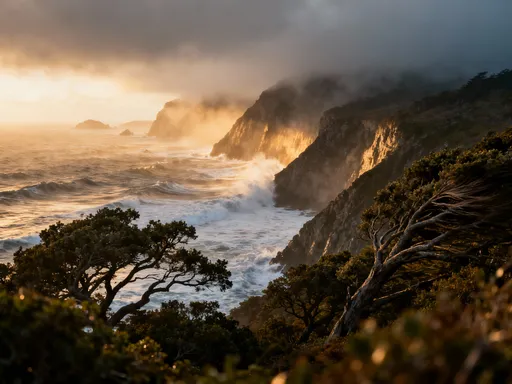
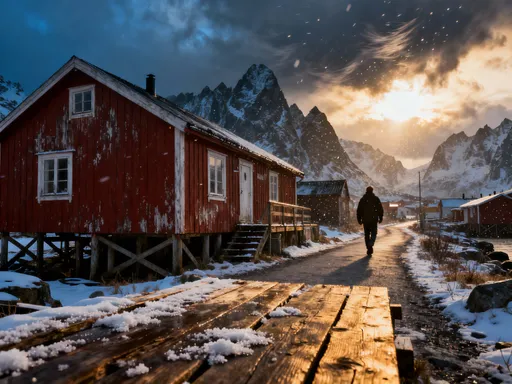
The visual contrast is immediate and powerful. Towering granite peaks, some over 1,000 meters high, plunge into dark fjords, while below, clusters of small, rectangular buildings cling to narrow strips of land. These structures, often painted in deep reds, bright yellows, or tar-black wood, stand out against the moody skies and slate-colored waters. The colors are not merely decorative—they are functional. In the long Arctic winters, when daylight is scarce and storms frequent, these bold hues help fishermen find their way home. The use of corrugated iron roofs, often rusted with age, reflects both durability and tradition. These materials are local, practical, and weather-resistant—chosen not for style, but for survival.
What defines Lofoten’s architectural character is its humility. Buildings are designed to withstand gale-force winds, heavy snow loads, and salt-laden air. Their low profiles reduce wind resistance, while steeply pitched roofs allow snow to slide off naturally. The placement of homes and workspaces follows the contours of the land, avoiding the illusion of control over nature. This is architecture shaped by necessity, where form follows function in the most literal sense. Yet, within this pragmatism, there is beauty—an aesthetic born not from intention, but from adaptation. The result is a built environment that feels inseparable from the natural one, a quiet partnership between human ingenuity and the forces of the North Atlantic.
The Heart of the Village: Rorbuer and Fishing Huts
At the core of Lofoten’s architectural identity are the rorbuer—traditional fishermen’s cabins that have defined coastal life for centuries. These modest wooden structures, once essential to the seasonal cod fisheries, remain a living part of island culture. Originally built as temporary shelters for fishermen who migrated each winter to follow the fish, rorbuer were designed for function: warmth, storage, and proximity to the water. Their simple, rectangular shapes maximize interior space, while steep roofs prevent snow accumulation. Elevated on stone or wooden piles, they protect against flooding and damp, allowing air to circulate beneath the floorboards.
Today, many rorbuer have been restored and repurposed as holiday rentals, offering travelers an authentic glimpse into local life. Yet even in their modern incarnations, they retain their historical character. Exteriors are often painted in the classic Norwegian fishing village palette—rorbue red, mustard yellow, or deep green—colors that originated from natural pigments mixed with fish oil. These shades not only withstand harsh weather but also create a striking visual rhythm along the shoreline. Inside, the cabins are warm and intimate, with wooden paneling, small windows, and furnishings that reflect a life attuned to the sea. Sleeping in a rorbue, with the sound of waves just beyond the wall, is more than accommodation—it’s immersion.
The cultural significance of the rorbuer extends beyond their physical form. They represent a way of life centered around the annual fiskevær—the seasonal fishing camps that once brought hundreds of men from across Norway to Lofoten. These communities were self-sufficient, with drying racks for cod (known as hjell), storage sheds, and communal cooking areas. The layout of the villages followed practical needs: cabins close to the shore, drying fish elevated on wooden frames, and paths worn into the ground by generations of footsteps. Even now, walking through preserved sites like Nusfjord—Norway’s only protected fishing village—feels like stepping into a living museum. The rorbuer stand as quiet monuments to a tradition that shaped not just buildings, but identities.
For visitors, staying in a rorbue offers more than charm—it fosters connection. It invites reflection on how people once lived in rhythm with natural cycles, building homes that responded to light, wind, and tides. Modern amenities like heating and Wi-Fi have been carefully integrated, but the essence remains. These cabins are not replicas; they are continuations. In choosing to stay in one, travelers participate in a legacy of resilience and simplicity, experiencing firsthand how architecture can be both humble and profound.
Wooden Churches: Silent Witnesses of Community Life
Scattered across the islands, wooden churches stand as quiet anchors of village life. Unlike the grand cathedrals of southern Europe, these modest structures reflect the scale and spirit of rural Norway. Built primarily between the 18th and early 20th centuries, many draw inspiration from the stave church tradition, though few retain the full medieval design. Instead, they blend Scandinavian timber craftsmanship with practical adaptations for the Arctic climate. Their dark, tarred exteriors—often in deep brown or black—help absorb what little sunlight is available in winter, while their compact forms minimize heat loss.
One of the most notable examples is the Kabelvåg Church on Vestvågøy, a wooden long church with a simple bell tower rising above the treetops. Its interior is unadorned but warm, with pine paneling, a central nave, and natural light filtering through small, clear-glass windows. These churches were not built for spectacle but for gathering—places where islanders met for worship, weddings, funerals, and community meetings. In a region where travel between villages was once difficult and dangerous, each church served as a spiritual and social center. Even today, they remain in use, hosting regular services and seasonal events like Christmas concerts and confirmation ceremonies.
The architectural details speak of care and craftsmanship. Carved wooden doors, often with geometric or floral motifs, mark the entrances. Bell towers, sometimes separate from the main building, were designed to be heard over wind and water. Roofs are steeply pitched to shed snow, and foundations are raised to prevent moisture damage. Inside, the focus is on warmth and acoustics—wooden interiors enhance the sound of hymns and speech, creating an atmosphere of intimacy and reverence. These churches are not museums; they are lived-in spaces, their floors worn by generations of footsteps, their pews holding the quiet weight of memory.
What makes these churches truly significant is their role in sustaining community identity. In a landscape defined by isolation and harsh conditions, they offered a sense of continuity and belonging. They were places where life’s milestones were marked, where people found solace during storms—both literal and emotional. Today, visitors are welcome to enter, sit quietly, and absorb the stillness. There is no grandeur here, only sincerity. These wooden sanctuaries remind us that architecture can serve not just the body, but the soul, offering shelter not only from the cold but from loneliness as well.
Modern Architecture in a Primal Landscape
While tradition defines much of Lofoten’s built environment, contemporary architecture has found its place—carefully, respectfully, and with intention. Modern structures in the region do not seek to disrupt the landscape but to engage with it. Architects working in Lofoten today face a unique challenge: how to design for comfort, sustainability, and aesthetic relevance without compromising the integrity of the natural setting. The answer lies in a philosophy of integration—using local materials, echoing traditional forms, and prioritizing environmental sensitivity.
One of the most striking examples is the Lofoten Opera House in Svolvær. Perched on a rocky outcrop overlooking the harbor, the building blends angular glass facades with wood cladding that matches the tones of nearby rorbuer. Its design mimics the movement of waves and the jagged silhouette of the mountains, creating a structure that feels both modern and elemental. Inside, the acoustics are engineered for performance, yet the materials—exposed wood, stone, and natural light—keep the space warm and human-scaled. The opera house is not just a cultural venue; it is a statement about the role of art and architecture in remote communities.
Across the islands, small galleries, cultural centers, and private homes reflect similar principles. In Hamnøy, a photography exhibition space uses large glass walls to frame views of the surrounding peaks, turning the landscape into a living backdrop. In Henningsvær, often called the ‘Venice of the North,’ new buildings are constructed on stilts above the water, echoing the old fishing huts while incorporating energy-efficient insulation and solar panels. These designs respond to the same challenges as their predecessors—wind, salt, and cold—but with modern solutions. Raised foundations prevent flooding, triple-glazed windows reduce heat loss, and sloped roofs are engineered to withstand extreme weather.
What unites these contemporary projects is a deep respect for context. Architects study wind patterns, sun angles, and tidal movements before breaking ground. They consult with local communities to ensure designs align with cultural values. The result is architecture that feels inevitable rather than imposed—a natural extension of the place. This is not minimalism for the sake of trend, but restraint born of necessity. In Lofoten, even the newest buildings seem to belong, not because they imitate the past, but because they listen to it.
How to Experience Lofoten’s Architecture Like a Local
To truly appreciate Lofoten’s architecture, one must move slowly. This is not a destination for rushed sightseeing or checklist tourism. The details—hand-carved door frames, the way a roofline follows the curve of a hill, the texture of weathered wood—are best discovered on foot, in quiet moments. The most rewarding way to explore is by walking village trails in places like Nusfjord, Reine, or Å, where preserved historic sites offer a glimpse into centuries of coastal life. These paths wind past rorbuer, drying racks, old boathouses, and churches, allowing visitors to see how buildings were arranged in relation to the sea, wind, and community needs.
Timing matters. While summer brings the Midnight Sun and lush greenery, the shoulder seasons—late spring and early autumn—offer a more intimate experience. Fewer tourists mean quieter villages, clearer views, and a chance to observe daily life without disruption. In May, when the light is soft and the air crisp, the colors of the buildings stand out against lingering snowcaps. In September, golden hour stretches longer, casting warm reflections on wooden walls and still fjords. These times of year also increase the likelihood of encountering local residents—fishermen mending nets, artisans restoring cabins, or elders sharing stories on a bench outside the church.
Accommodation choices can deepen the experience. Opting to stay in a restored rorbue, a converted boathouse, or a modern home designed with traditional principles allows travelers to live within the architecture rather than just observe it. Some rentals offer guided walks with local historians who explain construction techniques, material choices, and the stories behind specific buildings. For the independent explorer, self-guided photo routes—marked by local tourism boards—highlight architectural details often missed by casual visitors: the pattern of shingles on a church roof, the way a window is positioned to catch the low winter sun, or the use of recycled materials in a modern addition.
Engaging with local culture enhances understanding. Visiting a fishing museum, attending a community event, or simply having coffee in a village café can reveal how architecture supports daily life. These spaces are not frozen in time; they are evolving, maintained by people who value both heritage and practicality. By slowing down, asking questions, and observing with care, visitors move beyond sightseeing to meaningful connection. The architecture of Lofoten is not a backdrop—it is a conversation, and the best way to join it is with patience and presence.
Challenges of Building in the Arctic: Wind, Salt, and Isolation
Constructing and maintaining buildings in the Lofoten Islands is no simple task. The Arctic environment presents relentless challenges: hurricane-force winds, corrosive salt spray, freezing temperatures, and long periods of darkness. These conditions demand not only durable materials but also thoughtful design and constant upkeep. Historically, islanders developed building techniques through trial and error, passing down knowledge from generation to generation. Today, modern engineering enhances these traditions, but the core principles remain the same—resilience, adaptation, and respect for nature.
Wind is perhaps the greatest adversary. Structures must be anchored securely, often with reinforced foundations and aerodynamic shapes that reduce drag. Roofs are fastened with extra nails or metal straps to prevent uplift during storms. Walls are tightly sealed, and windows are small and strategically placed to minimize exposure. In exposed areas, buildings are often grouped together, creating windbreaks that protect the most vulnerable structures. Even today, new homes are sited with careful attention to prevailing winds, avoiding ridges and open promontories where gusts can exceed 100 kilometers per hour.
Salt corrosion is another persistent threat. Wooden exteriors are treated with tar or modern protective coatings to resist decay. Metal components—roofing, hinges, railings—are made from stainless steel or galvanized materials to prevent rust. In coastal areas, even concrete can degrade over time due to salt infiltration, requiring special mixes and sealants. Insulation must also be moisture-resistant, as damp reduces thermal efficiency and encourages mold. Modern homes use advanced vapor barriers and ventilation systems to manage humidity, but the challenge remains constant.
Isolation adds another layer of complexity. Delivering materials to remote islands can be slow and expensive, especially during winter storms when ferries are delayed. Builders often rely on local resources—timber from nearby forests, stone from the shore—to reduce dependency on imports. Community cooperation remains essential; when a roof needs repair or a foundation rebuilt, neighbors often lend tools and labor. Preservation efforts, such as those in Nusfjord, depend on grants, volunteers, and local councils working together to protect historic structures from both natural decay and the pressures of tourism. The result is a built environment shaped as much by human collaboration as by physical necessity.
Why Lofoten’s Architecture Tells a Deeper Story
The architecture of the Lofoten Islands is more than a collection of buildings—it is a narrative of human resilience, cultural continuity, and harmony with nature. Every rorbue, every wooden church, every modern gallery tells a story not just of how people built, but of how they lived. These structures reflect a deep understanding of place, shaped by seasonal rhythms, environmental challenges, and communal values. They are not monuments to individual achievement, but testaments to collective survival.
What makes this architecture truly remarkable is its humility. There is no attempt to conquer the landscape; instead, there is a quiet negotiation with it. Buildings are scaled to the human body, materials are chosen for endurance, and designs evolve in response to need. This is architecture born of necessity, refined by time, and sustained by care. It speaks to a way of life that values function, simplicity, and connection—to the sea, to the seasons, to one another.
For travelers, looking beyond the dramatic peaks and mirror-like fjords to see the human imprint is to gain a deeper appreciation of Lofoten. The red cabins along the shore are not just picturesque—they are records of labor, migration, and tradition. The dark wooden churches are not just scenic stops—they are centers of memory and meaning. Even the newest structures, with their glass and steel, carry forward the same ethos: to belong, not to dominate.
In a world where architecture often seeks to impress, Lofoten offers a different lesson. Here, beauty emerges not from grandeur, but from authenticity. It is found in the way a roofline follows the curve of a hill, in the warmth of a wooden interior, in the quiet dignity of a building that has stood for generations. To visit Lofoten is to witness a dialogue between land and people—one that continues with every new plank laid, every restoration completed, every family that calls these islands home. The next time you see a photograph of this Arctic archipelago, look past the mountains. Look at the buildings. They are not just part of the view—they are the heart of it.