How I Survived a Job Loss — And Built a Smarter Financial Safety Net
Losing my job last year hit harder than I expected — not just emotionally, but financially. I thought I was prepared, but within weeks, I was dipping into savings I’d sworn not to touch. That crisis forced me to rethink everything. What I learned wasn’t just about cutting costs — it was about building resilience. This is how I rebuilt my financial plan from the ground up, focusing on real protection, not just hope. The experience taught me that stability isn’t measured by income alone, but by how well you can withstand its absence. In the months that followed, I developed a smarter, more structured approach to financial safety — one rooted in preparation, discipline, and clarity. This is the story of how I turned a setback into a foundation for lasting security.
The Wake-Up Call: When Income Vanishes Overnight
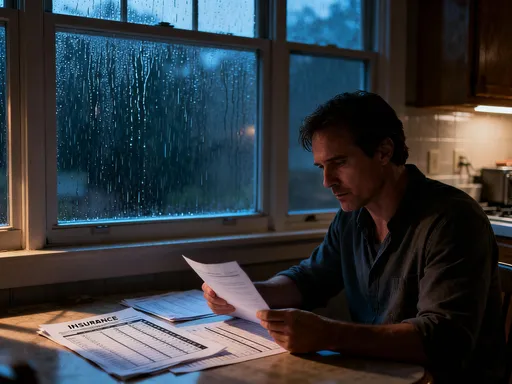
The email came on a Tuesday morning — brief, impersonal, and final. I was among a group of employees being let go due to company restructuring. At first, I felt numb. Then, the reality set in: no more paycheck, no daily routine, no office camaraderie. But more pressing than the emotional toll was the financial shock. My salary had covered not just groceries and utilities, but insurance premiums, student loan payments, and the mortgage. I had a savings account with what I believed was a comfortable cushion — about four months’ worth of expenses, or so I thought. Within three weeks, I had already withdrawn nearly half of it, and the pace was accelerating.
What I didn’t anticipate was how quickly uncertainty could erode discipline. I started second-guessing every purchase. Was it okay to buy fresh fruit instead of frozen? Could I still afford my daughter’s after-school program? The mental load was exhausting. I had always considered myself financially responsible, but responsibility without structure is fragile. My savings were not allocated — they were just a number in an account. I had no clear rules for when or how much to withdraw, and no timeline for how long the money needed to last. That lack of planning turned a manageable situation into a source of constant anxiety.
The deeper lesson was this: preparation isn’t just about having money saved — it’s about knowing how to use it. A sudden income loss tests more than your bank balance; it tests your decision-making under pressure. I realized I had been relying on a vague sense of readiness rather than a concrete plan. That distinction — between feeling prepared and being prepared — became the cornerstone of my recovery. From that point forward, I committed to building systems, not just saving dollars. Systems that could function even when emotions ran high and uncertainty loomed large.
Redefining Emergency Funds: Beyond the Generic Advice
Like most people, I had followed the standard financial advice: keep three to six months of living expenses in an emergency fund. I had done that — or so I believed. But when I mapped out my actual monthly obligations, I discovered a critical flaw in my planning. My ‘six months’ was based on my total spending, including discretionary items like dining out, subscriptions, and weekend trips. In a true crisis, those expenses would be the first to go. The advice hadn’t accounted for the difference between my current lifestyle and my survival-level needs.
I decided to rebuild my emergency fund from scratch, this time with precision. I separated my expenses into three categories: fixed essentials (rent, utilities, insurance, minimum debt payments), variable essentials (groceries, transportation, basic healthcare), and non-essentials (entertainment, travel, luxury items). I then calculated how much I would need to cover just the first two categories for a realistic unemployment period. Based on the average job search duration in my industry, I estimated it could take up to five months to secure a new position. That meant I needed a fund large enough to cover about five months of essential spending — not total spending.
But I went a step further. Instead of keeping all my emergency savings in a single account, I divided it into two tiers. The first tier — three months’ worth of essential expenses — was kept in a high-yield savings account for immediate access. This was my ‘first responder’ fund, designed to cover the initial shock of job loss. The second tier — an additional two months’ worth — was placed in a slightly less liquid but still safe instrument, like a short-term certificate of deposit. This created a psychological and financial buffer: I could access it if needed, but not impulsively. This tiered approach prevented me from burning through all my savings too quickly.
The result was a more realistic, more functional emergency fund. It wasn’t about saving more — it was about saving smarter. By aligning my fund with my actual risks and timeline, I reduced the emotional weight of each withdrawal. I knew exactly how much I could spend each month, and for what. That clarity didn’t eliminate stress, but it gave me control. And in a time of financial crisis, control is its own form of comfort.
Income Protection: The Overlooked Shield in Financial Planning
Most financial advice focuses on spending — how to cut it, track it, optimize it. But during my job loss, I realized that the real vulnerability wasn’t in my expenses; it was in my income. No matter how frugal I became, I still needed money coming in. That’s when I shifted my focus from cost-cutting to income protection. I began to see financial resilience not just as a matter of savings, but as a balance between risk management and earning capacity.
I started exploring ways to diversify my income before another crisis hit. I had skills — writing, project management, data analysis — that could be monetized outside my full-time job. Instead of waiting to be forced into freelancing, I began building a side income pipeline while I was still employed. I created a simple portfolio, joined reputable freelance platforms, and reached out to former colleagues about potential contract work. It wasn’t about replacing my salary overnight, but about creating a safety valve — a way to generate income even if my primary job disappeared.
The key was preparation. I didn’t wait until I was unemployed to build my freelance profile or set up payment systems. I tested the waters while I had the stability of a paycheck. This allowed me to refine my offerings, set competitive rates, and establish a small client base. When I did lose my job, I already had two part-time contracts in progress. They didn’t pay as much as my full-time role, but they covered about 40% of my essential expenses. That gap was much easier to manage than starting from zero.
This experience taught me that true financial security includes proactive income planning. It’s not enough to save money — you must also protect your ability to earn it. That means investing time in skill development, networking, and exploring alternative income streams while you’re still stable. The goal isn’t to become self-employed, but to ensure that your livelihood isn’t tied to a single employer. In today’s unpredictable job market, that kind of redundancy isn’t optional — it’s essential.
Risk Control: Managing Finances Like a Portfolio
One of the most transformative shifts in my thinking was learning to manage my personal finances like a diversified investment portfolio. Before my job loss, I viewed my budget as a list of monthly bills and discretionary spending. Now, I see it as a system of assets, liabilities, and risk exposures. Just as an investor rebalances their portfolio in response to market changes, I began adjusting my financial strategy in response to income volatility.
I started by categorizing my expenses into risk tiers. High-risk obligations were those that could trigger penalties or long-term damage if missed — mortgage payments, credit card minimums, health insurance premiums. Medium-risk items included things like streaming subscriptions or gym memberships — inconvenient to lose, but not catastrophic. Low-risk were discretionary purchases like takeout or retail therapy. This framework allowed me to prioritize spending based on consequence, not emotion.
Next, I evaluated my debt. I had two credit cards with balances and a student loan. Instead of making minimum payments across the board, I focused on reducing high-interest debt first while maintaining good standing on all accounts. I negotiated lower interest rates with one card issuer and transferred the balance to a 0% introductory APR card. I also paused automatic payments on non-essential subscriptions and redirected that money toward debt reduction. These weren’t drastic cuts — they were strategic reallocations.
I also froze new financial commitments. No new loans, no lease renewals, no big purchases. This reduced my future exposure and gave me breathing room. At the same time, I increased my liquidity by moving a portion of my long-term savings into a more accessible account — not to spend, but to have options. This wasn’t about abandoning long-term goals; it was about adjusting the timeline to match my current reality.
The result was a more resilient financial structure. I wasn’t just surviving — I was managing risk. By treating my finances as a dynamic system rather than a static budget, I regained a sense of agency. I could see where I had flexibility and where I needed to hold firm. That clarity reduced decision fatigue and prevented reactive, emotionally driven choices. Financial control, I learned, isn’t about deprivation — it’s about intentionality.
The Role of Insurance and Safety Nets You Can’t Ignore
When my job ended, so did my employer-sponsored health insurance. I had assumed I’d be able to switch to a spouse’s plan or qualify for an affordable marketplace option. What I didn’t realize was the gap in coverage — a period of several weeks where I had no insurance at all. That oversight could have been disastrous if a medical issue had arisen. It was a wake-up call about the hidden dependencies in my financial life.
I quickly enrolled in COBRA to maintain continuity, but the cost was high — over $500 a month for family coverage. That expense ate into my emergency fund faster than expected. Looking back, I realized I should have planned for this transition. I now understand the importance of knowing my insurance options in advance: COBRA eligibility, Affordable Care Act enrollment periods, Medicaid qualifications, and short-term health plans. These aren’t just details — they’re critical components of financial resilience.
Similarly, I had never paid much attention to unemployment benefits. I assumed I wouldn’t qualify or that the amount would be negligible. But after filing, I received a modest monthly payment that covered about 25% of my previous income. It wasn’t life-changing, but it made a difference. It paid for groceries one week, or my daughter’s piano lessons. That income stream, small as it was, reduced the pressure on my savings.
I also discovered that my former employer offered outplacement services — career coaching, resume reviews, and job search support. I had ignored them at first, feeling too overwhelmed. But when I finally reached out, I received valuable guidance that helped me refine my job search strategy. These institutional safety nets — insurance, unemployment benefits, transition support — are often overlooked until they’re needed. But they can provide crucial breathing room during a crisis. The lesson is clear: know what’s available before you need it. Read the fine print. Understand eligibility. Have a plan for accessing these resources quickly. They may not solve everything, but they can buy you time — and time is one of the most valuable assets in a financial emergency.
Rebuilding with Discipline: Habits That Restore Financial Confidence
Surviving the initial shock of job loss was one thing. Rebuilding a sense of financial stability was another. I realized that short-term survival tactics weren’t enough — I needed long-term habits. So I implemented a simple but powerful routine: daily expense tracking, weekly financial reviews, and monthly goal setting. These weren’t rigid or punitive; they were tools to restore awareness and control.
Every evening, I recorded every dollar spent — not to shame myself, but to understand patterns. I used a basic spreadsheet, categorizing each transaction. Over time, I noticed trends: I spent more on groceries when I was stressed, and more on convenience foods when I was tired. That awareness allowed me to plan better — meal prep on weekends, bulk shopping for staples, using coupons strategically. Small changes, but they added up.
Each week, I reviewed my cash flow: income (even if it was just unemployment or freelance), expenses, and savings progress. I adjusted my spending plan as needed, shifting funds between categories without guilt. This weekly check-in kept me from falling into autopilot mode. It also helped me celebrate small wins — like paying off a credit card balance or reaching a savings milestone. Recognition, even self-directed, reinforced positive behavior.
Monthly, I set one financial goal. Sometimes it was debt reduction, other times it was building a specific skill for freelance work. These goals gave me direction. They transformed my mindset from passive survival to active rebuilding. I wasn’t just waiting for a job — I was improving my financial position every day. Over six months, those habits became second nature. I no longer felt anxious about money. I felt capable. And that shift — from fear to confidence — was perhaps the most important outcome of all.
The Bigger Picture: From Emergency Response to Lasting Resilience
Losing my job was a crisis, but it was also a catalyst. It forced me to confront the gaps in my financial planning and replace assumptions with systems. Today, my approach to money is fundamentally different. I no longer measure success solely by income or net worth. I measure it by resilience — by how well I can handle the unexpected.
True financial security isn’t about avoiding risk; it’s about managing it wisely. It’s having a tiered emergency fund, diversified income streams, and a clear understanding of available safety nets. It’s treating your finances as a dynamic system that evolves with your life, not a static budget that breaks under pressure. Most importantly, it’s building habits that endure — not just during crises, but in everyday life.
I now view financial planning as a form of self-respect. It’s the act of preparing for the worst not because you expect it, but because you value your peace of mind. It’s choosing discipline over denial, preparation over panic. And it’s recognizing that security isn’t a destination — it’s a practice.
The job loss didn’t ruin me. It refined me. It taught me that resilience isn’t something you discover in a crisis — it’s something you build before it comes. And that, more than any paycheck, is the foundation of lasting financial well-being.